
top of page

Single-pass
clot removal

because in stroke, every second matters.

Ischemic Stroke

Occurs when a blood clot suddenly blocks an artery supplying the brain. 


Without oxygen, brain tissue begins to die immediately.

Time is Brain

A stroke kills 2 million neurons every minute.

Timely intervention minimizes  irreversible brain damage. 

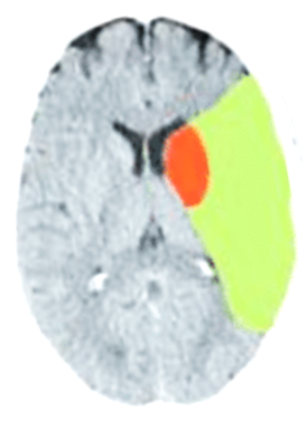
Greyscale imaging of brain with orange and green markers of stroke location and progression at 10 minutes

10 Minutes

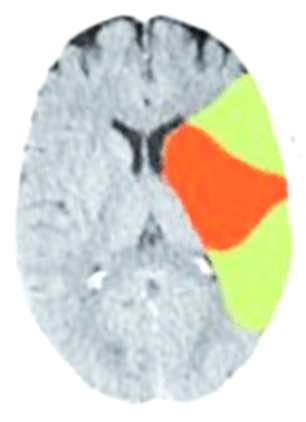
Greyscale imaging of brain with orange and green markers of stroke location and progression at 60 minutes

1 Hour

Greyscale imaging of brain with orange and green markers of stroke location and progression at 3 hours

3 hours

Greyscale imaging of brain with orange and green markers of stroke location and progression at 6 hours

6 hours

Global Impact

Stroke is the third leading cause of death & disability worldwide.


It has a significant impact on human life.

4s

a patient every 4 seconds

7.8M

Global ANNUAL ischemic strokes

3.6M

global ANNUAL stroke deaths

$2.3T

Global cost of stroke by 2050

Illustration of an artery depicting a catheter catching on branch ledges

NavigaTING THE CATHETER

Catheters can become stuck around branch vessels (ledge effect), delaying treatment.

Illustration of a narrowing artery depicting catheter inaccessibilty to a deep blood clot

REACHING THE CLOT

Clot access requires multiple catheters inside one another, adding time, complexity and risk.

Illustration of an end-hole catheter with obstruction

REMOVING THE CLOT

Single-hole catheters are inconsistent, aspirate slowly and often clog up, delaying treatment. 

Challenges

Thrombectomy or clot removal using aspiration (suction) catheters is the preferred standard of care. 


Catheter performance is impacted by complex anatomy, navigability and inefficient suction.

The First Pass

First-Pass-Effect or FPE is the  complete retrieval of clot in a single attempt.


It is an established predictor of functional recovery after stroke.

2x

Improved recovery

1.8x

Better NEUROLOGIC outcome

2x

Greater Functional independence

49%

Lower risk of hemorrhage

Unmet Need

Despite advances in both tools and techniques, FPE occurs in under 50% of cases today.

SV26_Vascular Watermark_edited.jpg

Outcomes

When the first pass fails, additional attempts prolong ischemia time and increase complication risks.


More passes also correlate with higher mortality and long-term disability rates.

50%

disability

20%

mortality

More

attempts

More

devices

MorE

time

More

risks

Acute Ischemic Stroke

Occurs when a clot suddenly blocks a blood vessel supplying the brain, cutting off oxygen. Tissue begins to die within minutes. Rapid restoration of blood flow is essential to prevent irreversible damage. 

SV26_Purple & pink brain_edited.jpg

Next Generation Thrombectomy

At Sensible, we are working to deliver exactly that.

single-pass

Thrombectomy

rapid
clot removal

streamlined
procedure

bottom of page